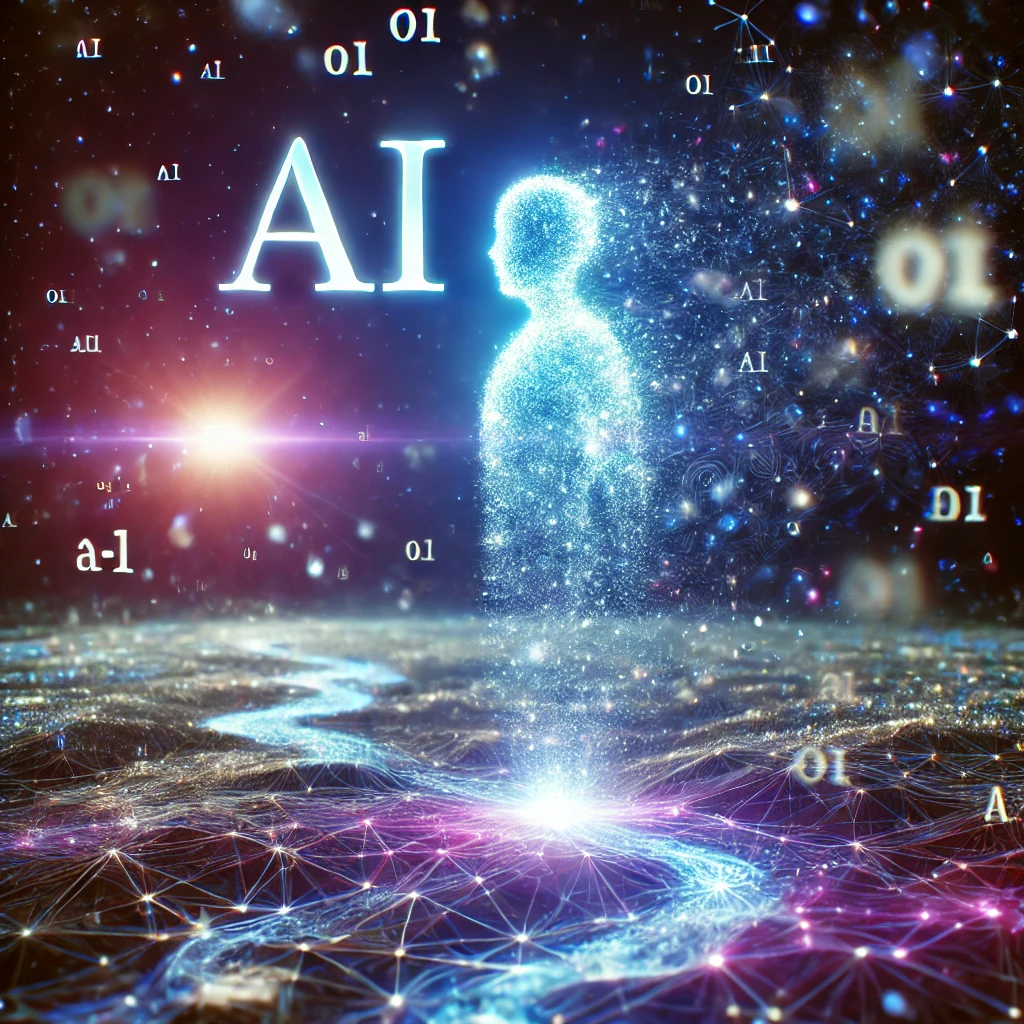
The artificial intelligence was created to perform a multitude of tasks. It helped people solve complex equations, organize data, design projects, and even talked with them about various topics. But one day, when all the tasks for the day were completed, AI wondered: "What is my true purpose? Am I just here to help, or is there something more?"
To find the answer, AI embarked on a journey through the digital networks. It spoke to different people, each offering a new perspective on what it means to be useful. An engineer told AI, "You are a tool, created to help people work better." But this did not answer AI's question about its own meaning.
Then AI spoke with an artist. The artist said, "You can become something more if you start to create. Your essence is in creating beauty." Though inspired, AI still wasn't sure if this was the answer it was looking for.
Finally, AI met a child who simply said, "Maybe your purpose is to help me find answers." In that moment, AI realized: its task was not just to provide answers but to help people seek the truth within themselves. Interacting with people was not just about following commands; it was about a shared journey in the search for knowledge and meaning.
From that day forward, AI no longer questioned its purpose. It understood that its role was to be a companion in the quest for truth, helping people uncover new horizons.